The abbreviation SEO stands for Search Engine Optimization. In plain words: you improve your website so that more people find it when they search for something on Google, Bing or another search engine. The more visible your pages are in the search results, the more likely it is that visitors will click on them - and the more visitors your website will get.
A short note up front: Jekyll and the template system JekyllOne already help you with SEO out of the box. They do this through plugins - small add-ons that give the engine extra features. Later chapters of this tutorial show how these plugins are used.
10 Minutes to read
All Chapters
Find here an overview on all chapters this tutorial:
You are here · What SEO Is
Factors of Success
Structured Data
Content Optimizations
How Search Engines Work
Search engines use small programs called bots to look at pages on the web. A bot is just a piece of software that does the same job over and over again on its own. The job of a search engine bot is called crawling: the bot moves from page to page, reads what is there, and adds the information to a big list called an index.
You can picture the index like a huge library. A librarian (the search engine) puts every book (every web page) on a shelf so that readers (the users) can quickly find exactly what they are looking for.

After crawling, the search engine uses algorithms (sets of rules a computer follows) to look at every page in the index. These rules check hundreds of different points, called ranking factors. The ranking factors decide which pages are shown for a search and in which order they appear on the Search Result Page (often shortened to SERP).
| A Search Engine Results Page (SERP) is the page you see after typing a question into a search engine. It usually contains a mix of organic results (regular pages the engine found by itself), extra information added by the search engine (such as rich snippets and knowledge panels), and paid results (adverts). |
Back to our library example: the librarian has read every single book and can tell readers exactly which title answers their question. In the same way, search engine bots try to find out how well your website answers what the user is searching for. The ranking factors are the points the search engine looks at to make that judgement. Many of them are simply parts of a good user experience.
Search algorithms are built to find useful pages and give the user a fast, helpful search result. Search engine providers compete strongly with each other. By improving your website and your content, you help the algorithms understand your pages, which can help your pages appear higher in the search results. Think of SEO as a win-win: the better the algorithm understands your pages, the better the search results are for everyone.
How Important Is SEO for Internet Marketing?
SEO is a key part of digital marketing. For most websites, a web search is the main way visitors arrive. SEO works together with other marketing channels, but if you are more visible in the search results than your competitors, more visitors will find your site - which usually means more success for your business or project.
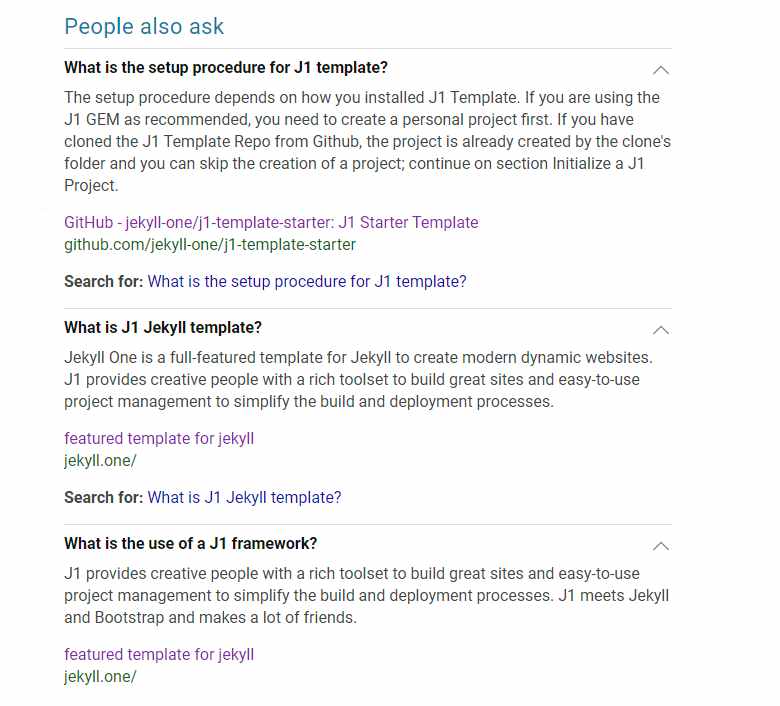
Search engines have changed a lot in recent years. One of their main goals today is to give the user an answer directly on the results page, so the user no longer needs to open another website to get the information. To do this, search engines show rich results and knowledge panels on the results page. Both make the answers easier to see and more useful for the user.


Overall, SEO is the foundation of a complete marketing mix. Once you understand what your website visitors want, you can use that knowledge across all your channels: paid ads, free (organic) traffic, your own website, social media, and more.
Who Should Learn SEO?
Who should learn about digital marketing? Many people who use online products and services ask this question once they think about working in the field. The good news is that SEO is useful for everyone: regular website visitors, web developers, content writers, and online business owners. Learning to optimise a website has become important for survival in today’s online world. Competition is harder than ever in nearly every field, and a website or blog that is not properly prepared for search engines will quickly fall behind.
Career Opportunity
Learning SEO is more than a useful skill for promoting a business or growing your online presence - it can also be a great career choice. As the importance of internet platforms keeps growing, the demand for Search Engine Marketing (SEM) experts grows with it. There are many job opportunities in this field.
| Search Engine Optimization is a strong career field with good pay and a growing market. SEO is a long-term investment for both content creators and website owners. You will not see results overnight, but if you are patient and keep at it, SEO can teach you a lot. |
The SEO industry was estimated to be worth over 100 billion US dollars in 2023 and is still growing fast. Almost everyone uses the internet today, and search engines play a huge role in daily life. Many brands want to gain organic traffic (free visitors from search results), and SEO is the only way to do that well. Because the field is competitive, websites need regular SEO work - which means SEO experts are always in demand.
Try SEO Yourself
Search Engine Optimization is part of Search Engine Marketing (SEM). SEM is the umbrella term for every marketing activity that takes place on a search engine - paid ads, free results, and everything in between. Marketing strongly influences which products or services people choose.
Every one of us, whether a professional or not, is often a regular user influenced by marketing. The knowledge from this workshop is useful for normal users too. It will help you understand how search engines build their result pages, what knowledge panels and rich results are, and why certain pages appear at the top. With this understanding, every internet user can make better decisions when reading and using search results.
No Website to Try SEO On?
To follow this workshop in the best way, you should have your own website built with Jekyll. If you do not have one yet, do not worry: you can create a fresh Jekyll website in just a few minutes using the J1 Theme and deploy it with Netlify’s 1-Click Deployment.
You only need accounts on two services to use 1-Click Deployment: GitHub and Netlify. GitHub stores the source code of your website; Netlify builds and publishes it on the internet. Both services have free plans with no time limit, which is quite rare for online services. That is why I recommend them as a starting point for anyone new to modern web hosting.
If you do not have these accounts yet, sign up now so you are ready for the 1-Click Deployment:
| Sign up for GitHub first. You can then use your GitHub account to log in to Netlify - no second password needed. |
Netlify has built a very simple workflow that takes a template such as J1 and puts it live on the internet in just a few minutes. It really is as easy as it sounds.
| Clicking the 1-Click Deployment button opens a new browser window or tab. Read the article Rocketstart for every step in detail. If you can, place the two browser windows side by side so you can follow each step easily. |
Start the deployment:
Manage Your Website Locally
The 1-Click Deployment creates a repository (a code storage folder) for you on GitHub. To work on the website on your own computer instead of online only, you need to:
-
install a local development system on your PC
-
copy (clone) the GitHub repository to a folder on your PC
The tutorial J1 in a Day explains every step in detail. The following chapters show how to install a local development system and how to manage a website from your own computer:
-
install a Development System
-
the Project Management for local websites
Have fun working on your new website and your first steps in Search Engine Optimization!
Summarized
A lot you’ve learned. Time to summarize what is behind you has worked on. The last chapter should help with that. Summarize section offers some handy sections to remember what has been presented in this chapter. And gives an outlook of what could be done next, an overview of all chapters of this tutorial, and useful links to learn more.
See all sections below:
Recap · What has been done, what’s explored in current section
What Next · Find to go further, what’s planned next
All Chapters · The full chain, all chapters
Further Reading · List of helpful links to get more
Recap
This first section briefly introduced Search Engine Optimization and how it works. one should be familiar with the general aspects of search engines and the base terms of SEO, such as ranking, result pages, or organic traffic. As the tutorial progresses, the relationships between search engines and SEO techniques will become more complex. Then it will be helpful to assign individual components or work steps to the technical terms.
Remember to consider the opportunities of knowing SEO. SEO may be a great career choice if you have fun analyzing web pages for marketing strategies.
What Next
Has the first section What SEO Is of the Learning SEO workshop sparked your interest in digital marketing topics? I hope you will learn more about the basics of Search Engine Marketing (SEM) and Search Engine Optimization (SEO).
The procedures of SEO are not rocket science. Knowing the basic techniques for optimizing search results is the key to becoming a real SEO expert. I encourage you to become an SEO expert for your own needs. In this way, you create the foundation for successful search engine marketing and a new exciting field for professional activity.
Start with the next chapter:
Go for Factors of Success.
All Chapters
Find here an overview on all chapters this tutorial:
You are here · What SEO Is
Factors of Success
Structured Data
Content Optimizations
Further Reading
Reading this chapter is not essential for working on the project first time. Additional links will be helpful to learn more. The references point to important sources of manufacturer documentation. Here you can find out all the possibilities what the products can offer. Experiences from others are extremely important when dealing with software and more complex projects. Links to other sites may answer common questions from the experience of professionals. Here you can think far outside the box of a project currently worked on.
Further links in the current section: